
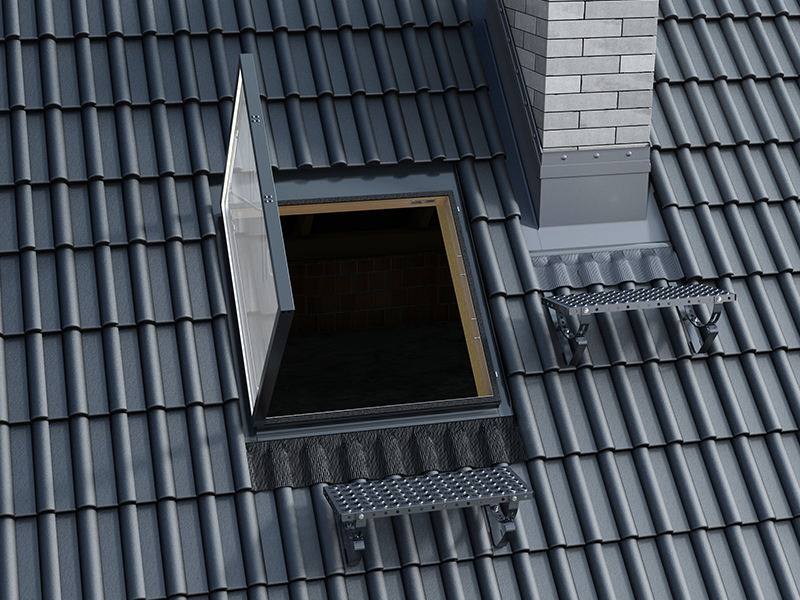
Wyłaz dachowy, nazywany oknem wyłazowym, to tak naprawdę otwór znajdujący się w dachu,umożliwiający komfortowe i bezpieczne wyjście na dach. Przydaje się zawsze wtedy, gdy konieczne jest wykonanie prac naprawczych lub wyczyszczenie dachu. Wyłazy dachowe znajdują również zastosowanie na poddaszach użytkowych, gdzie doświetlają wnętrza. Szeroka gama wyłazów dachowych o rozmaitych parametrach ułatwia wybór idealnego rozwiązania dla każdego użytkownika. Na co zwrócić uwagę przy zakupie wyłazu dachowego?
Ważna rola wyłazu dachowego
Dach to jeden z kluczowych elementów każdego budynku. Już na etapie projektowania warto zadbać, by jego naprawa była maksymalnie ułatwiona. Taką możliwość oferują wyłazy dachowe.
Coraz częściej wyłazy dachowe pełnią funkcje zbliżone do okien dachowych. Dzięki temu są cennym źródłem naturalnego oświetlenia na poddaszu, a także odpowiadają za prawidłową cyrkulację powietrza.
Uwzględnienie wyłazu dachowego w projekcie domu narzucają też przepisy prawa budowlanego. Zgodnie z nim, w budynkach o dwóch lub więcej kondygnacjach nadziemnych należy zagwarantować wyjście na dach z co najmniej z jednej klatki schodowej, umożliwiające dostęp na dach i do urządzeń technicznych tam zainstalowanych.
Wyłaz dachowy – na jakie parametry zwrócić uwagę?
1. Materiał wykonania – wyłazy dachowe powstają najczęściej z drewna pokrywanego warstwą impregnatu. Dzięki niemu zyskują odporność na wilgoć i wykazują lepsze parametry termoizolacyjne. Szyby, w jakie wyposaża się wyłaz dachowy, wykonane są z hartowanego szkła, chroniącego przed skutkami silnych gradobić. Ramę skrzydła okiennego wykonuje się natomiast z profili aluminiowych lub stalowych, gwarantujących odpowiednią wytrzymałość wyłazu.
2. Funkcjonalność wyłazu – przy zakupie wyłazu dachowego warto zwrócić uwagę na oferowane przez niego funkcje. Szczególnie praktyczne są rozmaite blokady i ograniczniki, umożliwiające zatrzymanie uchylenia skrzydła okna na dowolnym poziomie. Dzięki temu unikniemy zatrzaśnięcia się okna podczas prac na dachu. Nie bez znaczenia jest też sposób otwierania wyłazu – najlepiej na bok, na prawą lub lewą stronę bądź do góry. Komfort użytkowania podniesie też pakiet szybowy z powłoką samoczyszczącą.
3. Wysoka szczelność – to kolejna ważna cecha wyłazów dachowych. Wbrew pozorom, ma ona znaczenie nie tylko na poddaszach mieszkalnych, ale i w pomieszczeniach nieużytkowych. Dodatkowym zabezpieczeniem wyłazu przed warunkami atmosferycznymi mogą być specjalne rolety zewnętrzne sterowane pilotem.
4. Termoizolacyjność wyłazu – należy także sprawdzić, czy dany wyłaz dachowy wyposażony jest w jedną, czy dwie szyby. Szczególnie na poddaszach podgrzewanych lepiej sprawdzą się wyłazy dachowe z dwiema szybami, które pozwolą znacznie zredukować straty ciepła w okresie zimowym, a tym samym zaoszczędzić na kosztach energii.
5. Odpowiednie wymiary – wymiary wyłazu należy dopasować do konstrukcji dachu. Tak, by wyłaz ten mieścił się między krokwiami i nie było potrzebne dodatkowe wprowadzanie zmian w elementach nośnych połaci. Ważne jest też, by okno wyłazowe umożliwiało swobodne przedostanie się z poddasza na dach.
Wyłazy dachowe w ofercie OKPOL
Przykładowe parametry dla wyłazu dachowego z serii WVD OKPOL:
model dwuszybowy,
pakiet szybowy wykonany z szyby hartowanej,
stolarka z drewna sosnowego,
możliwy montaż pod kątem 15-65 stopni,
zintegrowany kołnierz paroprzepuszczalny poprawiający izolację przeciwwilgociową dzięki szczelnemu połączeniu wyłazu z membraną dachową,
zawiasy umożliwiające zmianę kierunku otwierania skrzydła na prawą i lewą stronę, nawet po zamontowaniu wyłazu w dachu,
fartuch EPDM zapewniający szczelne i trwałe połączenie z pokryciem dachowym,
rynna odwadniająca, która poprawia izolację odprowadzając wilgoć poza obrys wyłazu,
wspornik dachówki – ułatwia szczelne zamontowanie wyłazu w połaci dachu,
ogranicznik otwierania – zapobiega zatrzaśnięciu się skrzydła,
klin uszczelniający – uszczelnia boczne połączenia wyłazu z dachem,
uchwyt blokujący skrzydło w trzech pozycjach,
listwa kominiarska zapewniająca sprawne wyjście na dach,
kilka wariantów rozmiaru.